Summer Lawn Care Guide
for South Hills, PA Homeowners
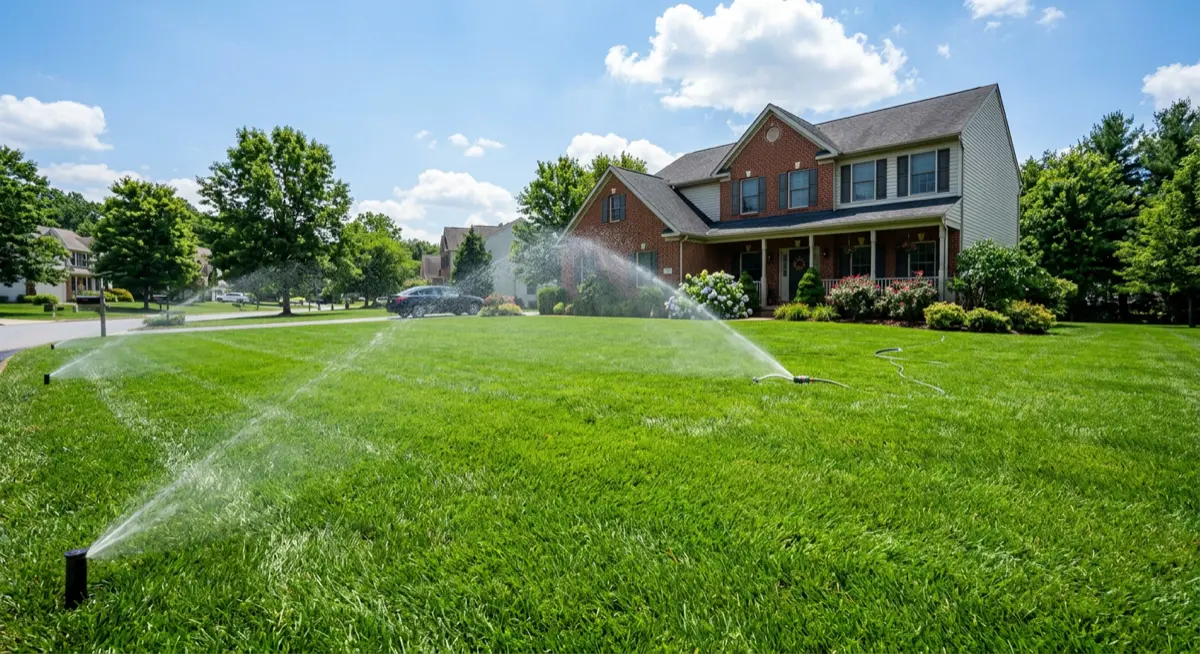
Western Pennsylvania summers are a real test for lawns. June through August brings heat, humidity, dry spells, and fast growth spurts that can turn a sharp yard into an overgrown mess in two weeks flat. Here's what South Hills homeowners need to know to keep their lawns looking good all summer long.
Mowing Frequency: How Often Is Right?
The most common mistake South Fayette homeowners make in summer is waiting too long between mows. A lawn that gets cut every two weeks in June often ends up looking beaten up right after the mow — yellowing tips, uneven height, and clumps of clippings sitting on the surface.
The reason is simple: never cut more than one-third of the grass blade at a time. Most cool-season grasses in western PA — Kentucky bluegrass, tall fescue, perennial ryegrass — grow 2 to 3 inches per week from May through early July. If you're cutting weekly, you're trimming half an inch to an inch off the top. If you wait two weeks, you're cutting 2+ inches, which shocks the plant.
Cuts ½–1 inch off. Grass recovers fast. Clippings break down quickly. Lawn stays dense and green.
Cuts 2+ inches off. Shocks the turf. Brown tips appear. Clumps smother growth beneath them.
In July and August when growth slows, bi-weekly becomes more reasonable. The key is matching your schedule to how fast your specific lawn is growing — not just picking a day of the week and sticking to it regardless.
The Right Mowing Height for South Hills Summers
During summer in South Fayette and the surrounding communities, the goal is to keep grass at 3 to 3.5 inches. That's taller than most people think.
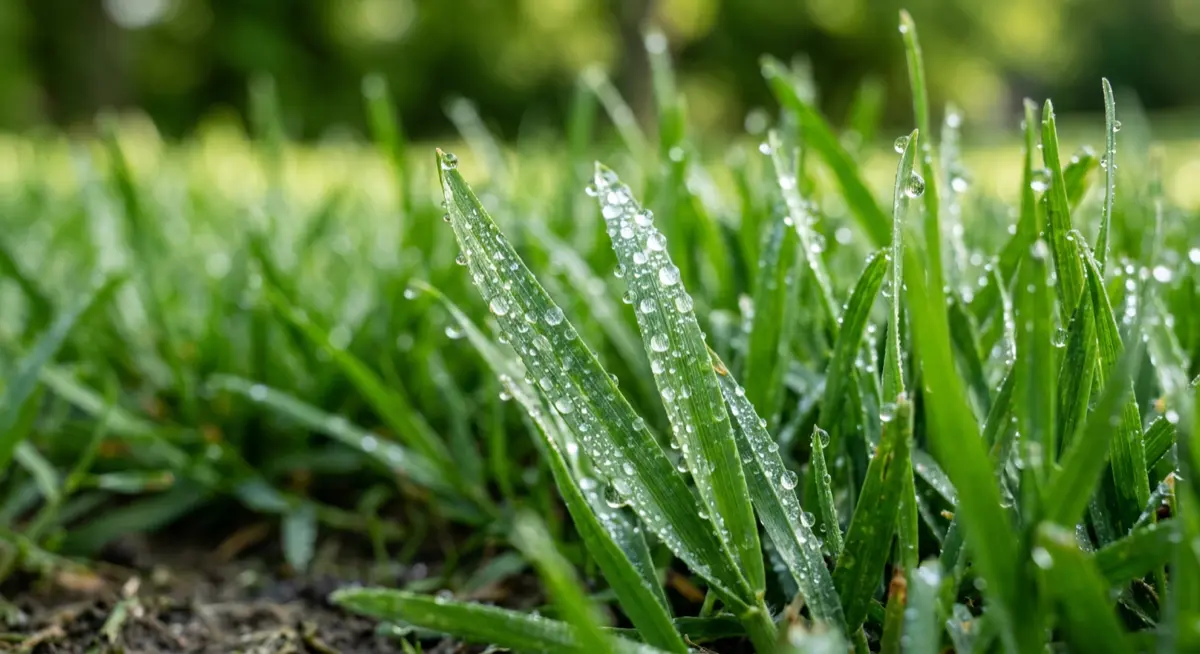
Healthy grass at proper summer height — around 3 inches. Taller blades shade the soil and hold moisture.
Here's why height matters in summer:
Longer blades create a canopy over the soil surface, reducing evaporation and keeping ground temperatures lower during July heat waves.
Grass height and root depth are proportional. Taller grass develops deeper roots that reach moisture further down in the soil — crucial during dry August weeks.
Dense, taller turf crowds out crabgrass and broadleaf weeds. Scalping a lawn short in summer essentially rolls out the welcome mat for weeds.
Edging and Trimming: Don't Skip the Details
Mowing handles the big picture. Edging and trimming handle the details — and in summer, details grow fast.
Grass along driveways, sidewalks, and bed edges can creep 2–3 inches over a border in a single growing season if left unchecked. A lawn that's beautifully mowed but has overgrown edges still looks unkempt from the street.
At Fordeley Mowing, we string trim along all fences, walls, structures, and tight corners every visit — not as a premium add-on, but because a half-done job doesn't represent us well.
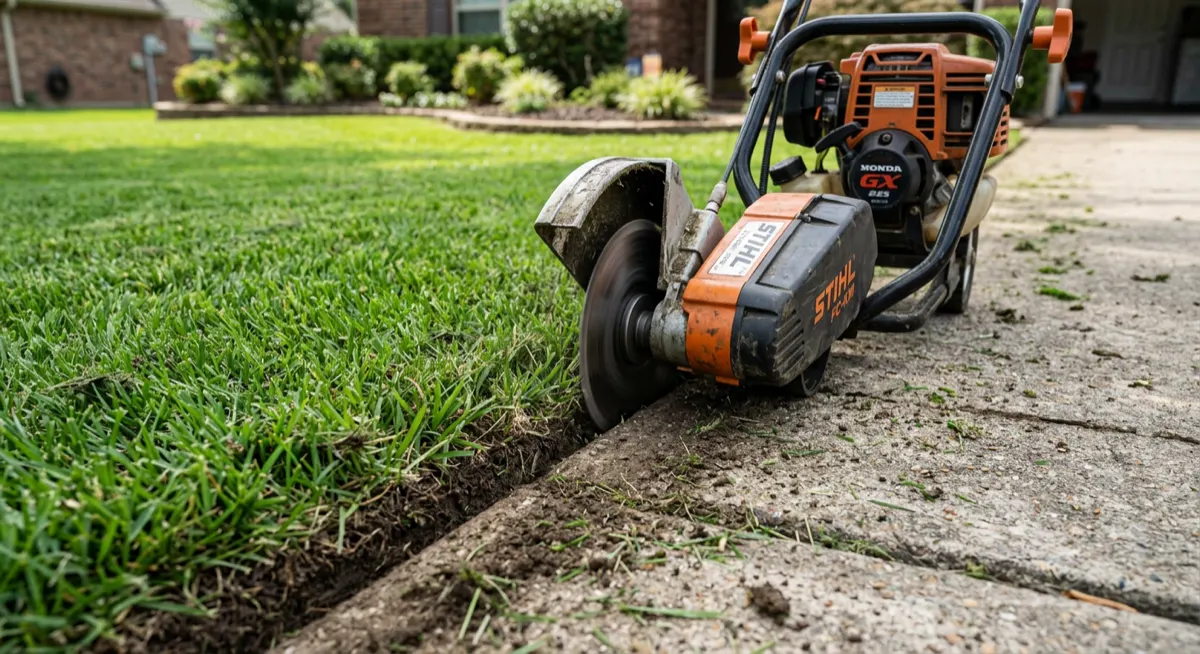
Clean edge along a driveway — the detail that separates a mowed lawn from a sharp lawn.
Summer Lawn Problems to Watch For in South Fayette
Western PA summers bring specific challenges. Here's what to watch for:
Fungal diseases thrive in warm, humid conditions. Brown circular patches or thin spots appearing in July are often fungal — not drought damage. Usually triggered by over-watering at night or low mowing height.
Crabgrass germinates when soil temps hit 55°F and takes off in June. A dense, properly mowed lawn is your best natural defense. Once crabgrass is established, pulling is the only mechanical option.
Cool-season grasses go dormant (turn tan/brown) during extended dry periods — this is normal and not permanent. The mistake is over-watering to compensate, which invites disease. If you're not watering, let it go dormant naturally.
When to Call a Professional
Some things are worth doing yourself. Lawn mowing in a South Hills summer usually isn't one of them — not because it's hard, but because consistency is everything and life gets in the way.
Here are the signs it's time to hand it off:
- Your lawn has gone 2+ weeks without a cut during peak growth season
- Edges are creeping over driveways and beds
- You don't have time to mow before neighborhood events or gatherings
- Your mower is overheating cutting overgrown grass
- You want consistent results without thinking about it
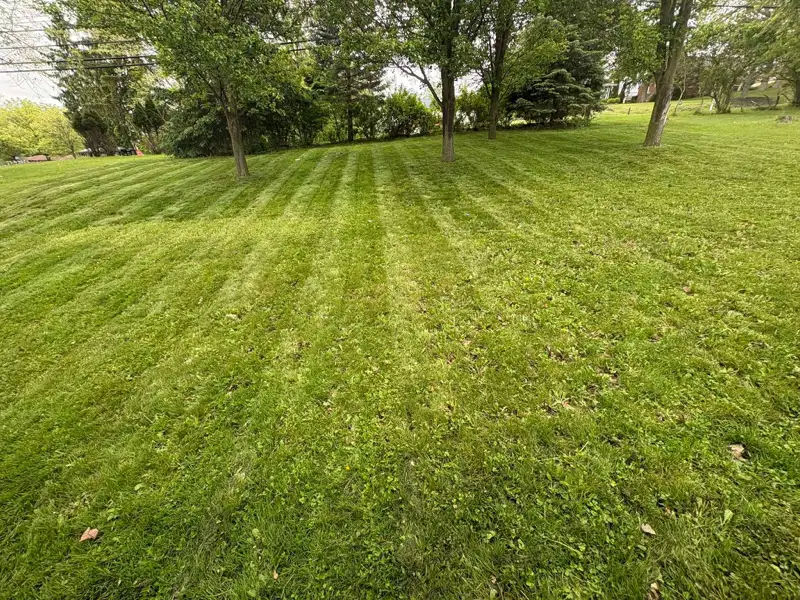
A South Hills lawn after a weekly service visit — stripes, clean edges, no clumps.
Summer Lawn Care Checklist
Quick reference for South Hills homeowners managing their own lawn this summer:
- Mow weekly during peak growth (May–July), shift to bi-weekly in August
- Keep blade height at 3–3.5 inches — never cut below 2.5 in summer heat
- Mow in the evening or early morning to avoid heat stress on freshly cut grass
- Keep mower blades sharp — dull blades tear grass, inviting disease
- Water deeply but infrequently (1 inch per week) rather than light daily watering
- Water in the morning so blades dry before nightfall
- Edge driveways and sidewalks every 2–3 weeks to keep borders clean
- Don't bag clippings — let short clippings return nitrogen to the soil
Serving the South Hills All Summer
Fordeley Mowing handles weekly and bi-weekly mowing, edging, weed trimming, and more for homeowners in South Fayette, Upper Saint Clair, Bethel Park, Bridgeville, Peters Township, and Carnegie. Same-week scheduling available — call or text Quintin directly at (412) 815-8626.
Frequently Asked Questions
How often should I mow in summer in South Fayette?
Weekly during peak growth months (May–July). Grass grows 2–3 inches per week in warm weather. Waiting two weeks means cutting off too much at once, which stresses the turf.
What height should I cut my grass in summer?
3 to 3.5 inches. Taller grass shades the soil, retains moisture, and builds deeper roots — all essential for handling western PA heat.
Should I leave grass clippings on the lawn?
Yes — with weekly mowing, clippings are short and decompose quickly, returning nitrogen to the soil. Clumps from infrequent mowing should be removed.
What are signs my lawn needs professional help?
Overgrown edges, grass over 4–5 inches tall, inconsistent mowing schedule, or no time to keep up. Call Quintin at (412) 815-8626 for same-week scheduling.